
Wildlife Safety for Pet Owners: Protecting Cats, Dogs, and Other Animals at Home
Pets are cherished members of the family, but encounters with wildlife can put them at risk. From raccoons and snakes to birds and rodents, wild animals can carry diseases, cause injuries, or provoke stress in domestic animals. Understanding how to protect pets while managing wildlife around your property is crucial to keep cats, dogs, and other animals safe without harming local ecosystems. By combining prevention, observation, and informed action, pet owners can reduce risks and enjoy peace of mind.
Secure Outdoor Spaces
A secure outdoor space is the first line of defense for pets. Fences should be tall enough to prevent animals from climbing or jumping over. Gates must close properly and have no gaps underneath. For cats, consider enclosed outdoor areas or “catios” that allow fresh air without exposure to wildlife. Dogs should be supervised when outside, especially in areas prone to wildlife activity. Proper outdoor security ensures pets can enjoy fresh air safely and minimizes unexpected encounters with wild animals.
Supervise Outdoor Time
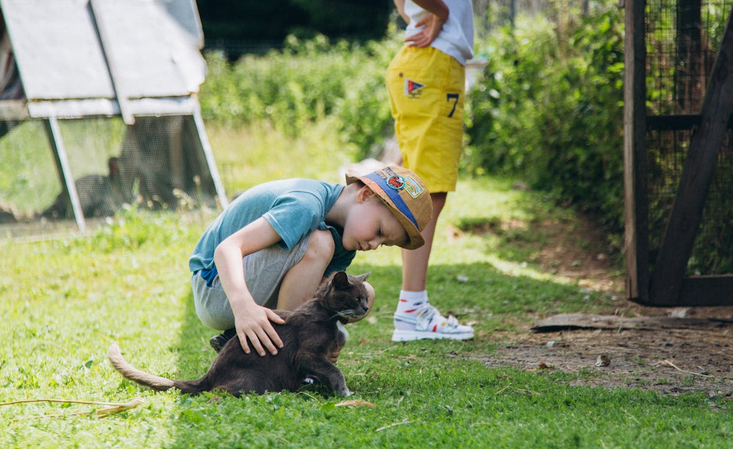
Even a secure yard cannot guarantee complete safety. Supervised outdoor time is essential, particularly during dawn and dusk when wildlife is most active. Walking dogs on leashes or allowing cats to explore only under supervision reduces the chance of dangerous encounters. Supervision allows immediate response if wildlife appears. It also provides an opportunity to train pets to avoid certain areas or respond to commands. Regular oversight is a simple and effective safety measure.
Ensure Safe Storage of Food and Trash
Wild animals are often attracted by the scent of food or waste. Pet owners should store pet food indoors or in sealed containers. Trash bins should have tight-fitting lids and be kept away from outdoor activity areas. Bird feeders can also attract raccoons, squirrels, or skunks. Keeping food sources secure reduces the presence of wildlife near your home. This decreases the likelihood of pets interacting with potentially dangerous animals. Simple adjustments to storage can make a significant difference in wildlife safety.
Understand the Wildlife Behavior
Knowing how local wildlife behaves helps anticipate potential risks. Nocturnal animals such as raccoons and opossums may explore yards at night. Snakes often seek sunny areas during the day or hide under debris. Birds and small mammals may approach food sources that are easy to reach. Observing patterns in your area helps identify hotspots for wildlife activity. Understanding these behaviors allows pet owners to plan safer routines and avoid conflict zones. Knowledge is a practical tool for reducing danger.
Never Skip Vaccination and Health Precautions
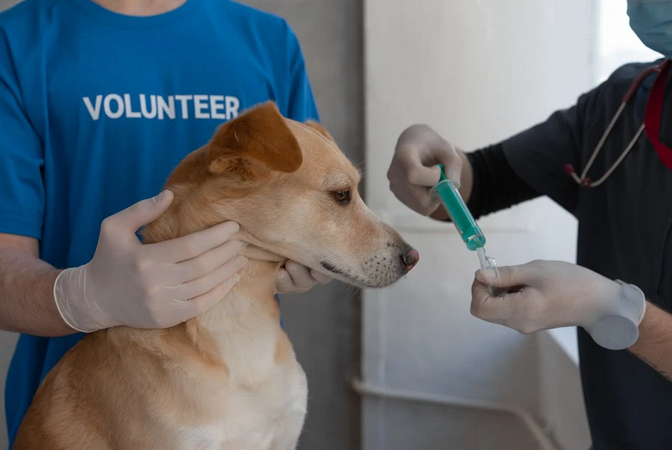
Keeping pets healthy is an important part of wildlife safety. Vaccinations against diseases such as rabies, leptospirosis, and distemper protect pets from wildlife-transmitted illnesses. Regular parasite prevention also limits risks from ticks, fleas, and other insects carried by wild animals. Routine veterinary check-ups ensure early detection of health issues. Preventive care is a proactive approach to minimize the effects of wildlife encounters. It also provides peace of mind knowing pets are protected.
Install Barriers and Deterrents
Physical barriers and deterrents reduce unwanted wildlife interactions. Motion-activated lights, fencing, and safe repellents can keep animals away from critical areas. For gardens or yards, low-impact deterrents such as noise devices or scents may be effective. These methods prevent wildlife from entering spaces where pets frequent. Proper use of barriers allows pets to explore safely without posing harm to wild animals. Combining barriers with supervision strengthens overall safety strategies.
Respond to Wildlife Encounters the Right Way
Despite precautions, encounters can still occur. Pets should be trained to avoid wildlife or respond to recall commands. If a wild animal approaches, stay calm and remove the pet from the area. Avoid direct confrontation with wildlife, as it can be dangerous for both the pet and the human. Report aggressive or sick wildlife to local authorities or wildlife control professionals. Quick, informed responses prevent injuries and help maintain a safe environment for all animals.
Everyone in the household, including visitors, should understand wildlife safety rules. Children and guests may not recognize the risks associated with feeding or approaching wild animals. Clear guidelines help ensure that pets are not exposed to unnecessary danger. Awareness campaigns in your home encourage consistent practices. Educating everyone strengthens safety measures and reinforces responsible pet ownership.