
Color Psychology in Children’s Bedrooms: What to Know
- in Home
When decorating a child’s bedroom, many parents focus on furniture, bedding, and adorable wall decals. But one often overlooked element with a real impact is color. The hues you choose can influence a child’s mood, sleep patterns, behavior, and even how relaxed they feel after a busy day. Before diving into paint samples and Pinterest boards, take a moment to consider how color psychology plays a role in shaping your child’s bedroom atmosphere. Let’s explore key things to know about color psychology in children’s bedrooms and how you can make the most of this powerful design choice.
Warm Colors Energize—But Also Overstimulate
Shades like red, orange, and bright yellow are naturally vibrant and cheerful. They’re often associated with energy, creativity, and excitement. For that reason, warm colors can be great for playrooms or accent pieces in a child’s bedroom. However, too much warmth can lead to overstimulation. Red, for example, is linked with increased heart rate and adrenaline levels, which might be counterproductive in a space meant for rest. If your child loves bold tones, consider using them for smaller décor items, a feature wall, or bedding that can easily be swapped out when needed.
Cool Colors Promote Calm and Focus
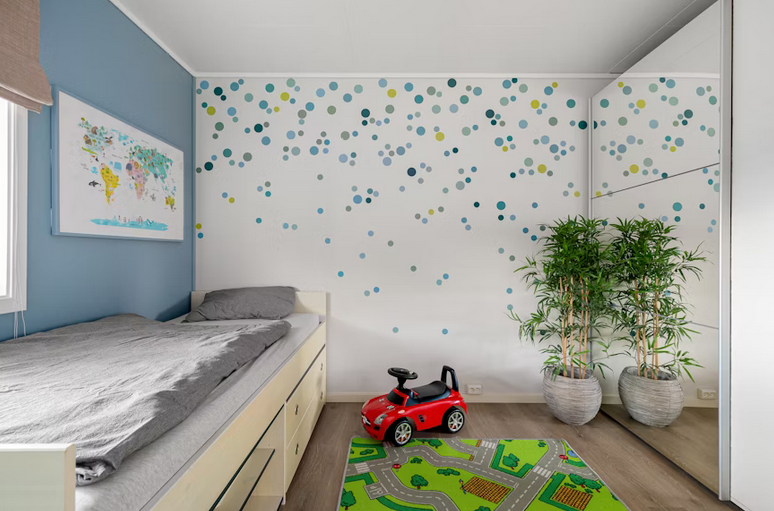
If your goal is to create a sleep-friendly or peaceful environment, cooler hues like soft blues, greens, and lavenders are often a safer bet. Such colors are even mentioned in these sleepover tips for stress-free hosting since they are known for their calming effects and may even help reduce anxiety in children prone to bedtime resistance. Blue has long been considered a “sleep-friendly” color—it may lower blood pressure and encourage relaxation. Pale green, especially tones that resemble nature, can promote mental clarity and comfort. Lavender and light purple shades can also feel serene without being too sleepy. It’s best to avoid going too cold, though. Grayish blues or overly icy shades can come across as sterile or unwelcoming. Balance cooler tones with warm accents like wooden furniture, soft lighting, or textured rugs to keep the room from feeling too stark.
Neutrals and Pastels Offer Long-Term Flexibility
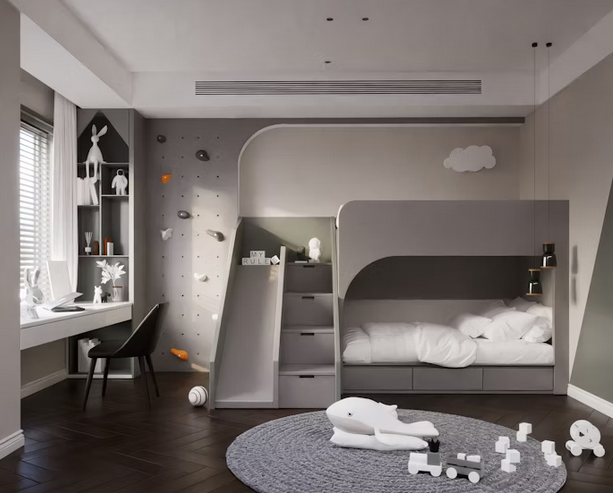
While themed rooms based on characters or trends are fun, their appeal can wear off quickly, especially for growing kids. A safer strategy for long-term satisfaction is to lean into neutral tones and soft pastels as your base color palette. Colors like beige, cream, light gray, and soft blush provide a blank slate that’s easy to update with colorful décor, wall art, or toys. Plus, neutrals often grow with the child and won’t feel outdated in just a year or two. Pastel shades—like mint green, powder blue, or pale peach—carry a gentle warmth and lightness, giving the room personality without overpowering the senses.
Let Your Child Have Input
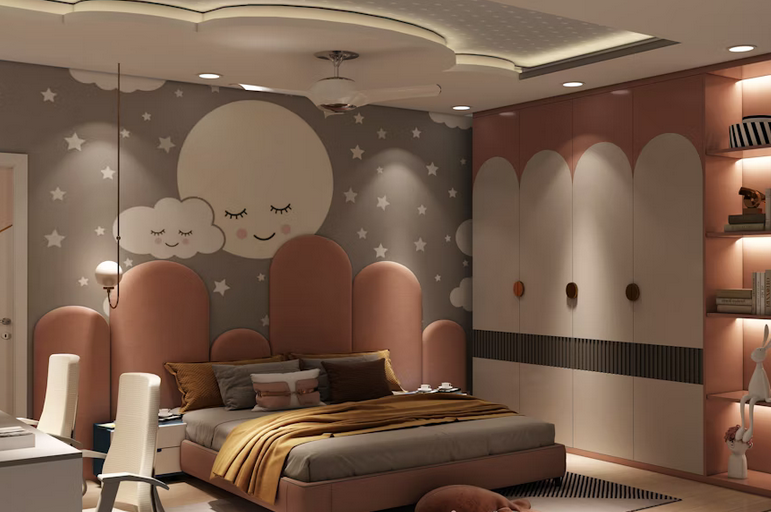
It’s tempting to hand over total creative control to your child, especially if they have strong opinions about colors. However, what looks fun in their imagination may not be functional for a restful space. A hot pink ceiling or neon green walls might thrill them momentarily but could become visually exhausting over time. Instead, involve them in small, manageable decisions. Offer two or three pre-approved color options and allow them to choose their favorite. This gives them a sense of ownership while still maintaining harmony and practicality in the final design. You can also let them express creativity through accessories like lamps, throw pillows, and posters. These are easier to swap out than repainting walls if their preferences shift.
Color is more than a visual detail—it’s a silent guide shaping how your child experiences their environment every day. By understanding the emotional effects of different shades, you can design a bedroom that supports sleep, calm, and creativity. Whether you’re going for cozy, energized, or peaceful, the right paint choice plays a quiet but important role in making the space feel just right. Use this knowledge to create a room that works now and continues to grow with your child.…