Organic Strategies to Protect Your Garden From Pests
- in Home
A thriving garden brings joy, fresh produce, and a sense of accomplishment, but pests can turn this haven into a source of frustration. Insects, rodents, and other critters can damage plants, stunt growth, and reduce yields. While chemical pesticides may seem like a quick solution, they often harm beneficial insects, pets, and the surrounding environment. Fortunately, there are natural methods to keep pests at bay without relying on harsh chemicals. If you plan to improve your outdoor space, consulting a contractor can help design a garden that naturally deters pests while enhancing its overall appearance. This guide covers effective ways to manage pests naturally and maintain a healthy, flourishing garden.
Encourage Beneficial Insects
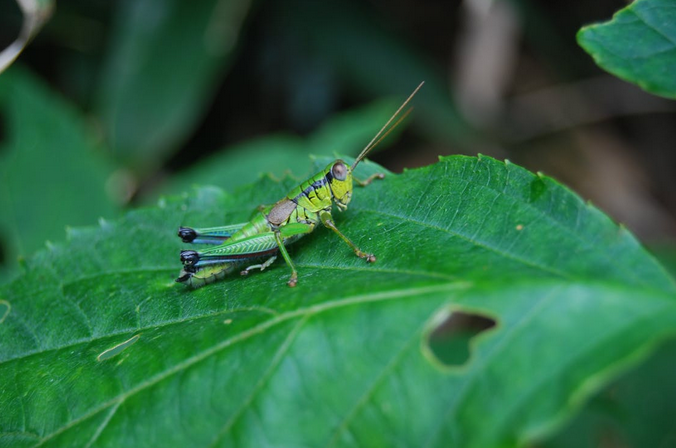
Attracting beneficial insects is among the most effective natural pest-control methods. Ladybugs, lacewings, and praying mantises feed on aphids, caterpillars, and other harmful insects. Planting flowers like marigolds, dill, fennel, or yarrow can help draw these natural predators into your garden. Providing small shelters or slightly wild areas encourages their presence year-round. These insects reduce pest populations without affecting the overall ecosystem, creating a balanced environment where plants can thrive.
Use Companion Planting
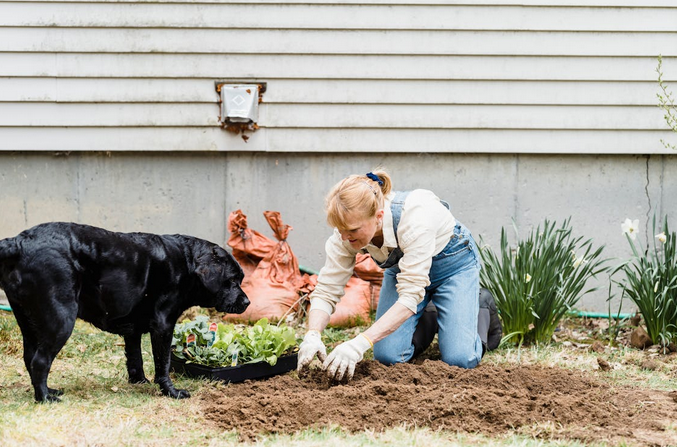
Companion planting involves pairing plants that naturally deter pests or promote growth. Basil near tomatoes can repel whiteflies, while marigolds planted around vegetables discourage nematodes. Garlic and chives deter aphids, and nasturtiums can act as trap crops. Strategically planning plant placement allows for a natural defence system that minimises pest damage. Companion planting also improves soil health and encourages pollinators, fostering a more resilient garden environment.
Apply Natural Sprays
Natural sprays, such as those made from neem oil, garlic, or hot peppers, can protect plants from insects. Neem oil disrupts insect life cycles without harming beneficial species. Garlic sprays, created by blending garlic cloves with water and soap, repel various garden pests. Hot pepper sprays deter insects and small animals from feeding on leaves and fruits. Regular application, especially after rainfall, ensures consistent protection while preserving ecological balance.
Practice Good Garden Hygiene
Maintaining cleanliness in your garden helps prevent infestations. Remove dead leaves, prune diseased branches, and clear debris to eliminate hiding spots for pests. Crop rotation prevents insects and diseases from establishing themselves in the soil. Proper composting and avoiding overwatering reduce environments favorable to pests. Simple measures, such as correctly spacing plants to improve airflow, prevent fungal growth and discourage insects, contributing to a healthier garden overall.
Introduce Physical Barriers
Physical barriers prevent pests from reaching plants naturally and safely. Row covers, netting, or mesh protect crops from birds, rabbits, and larger insects. Mulching with straw or wood chips deters burrowing pests, while copper tape around beds prevents slugs and snails. Combining barriers with other natural strategies strengthens overall pest control and ensures a balanced approach that minimizes reliance on chemicals.
Protecting your garden from pests naturally requires consistency, observation, and a commitment to eco-friendly methods. Encouraging beneficial insects, employing companion planting, using natural sprays, maintaining garden hygiene, and introducing physical barriers are five strategies that can significantly reduce pest damage. These approaches support a healthy garden ecosystem, allowing plants to flourish while minimizing environmental harm. By implementing these tips, gardeners can enjoy vibrant, productive outdoor spaces throughout the year, preserving both their gardens’ beauty and functionality.…