
How Childhood Needs Are Influencing the Way Homes Are Designed
- in Home
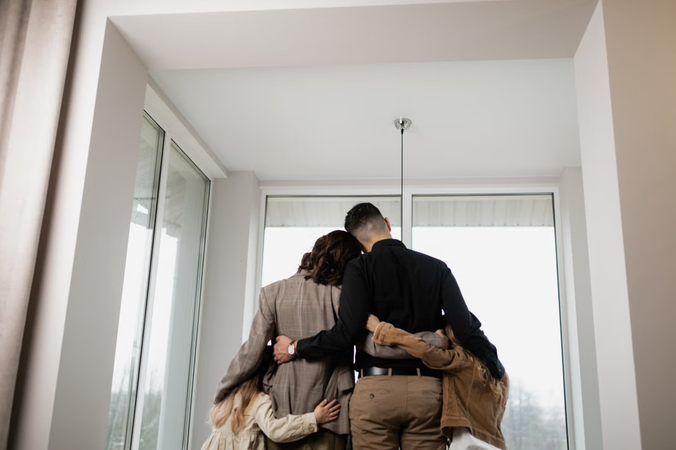
The way families use their homes is changing, and children are playing a bigger role in shaping residential design choices. A home today needs to support much more than basic daily routines. It needs to provide areas where children can learn, explore, relax, and develop their independence as they grow. A child’s needs can change quickly. A corner filled with toys today may become a study area a few years later, while a shared family space may eventually need to offer more privacy. Because of these changes, many homeowners are looking for design solutions that can adapt instead of becoming outdated.
Homes Are Being Created Around Real Family Experiences
A family home is no longer designed only around fixed rooms with specific purposes. Instead, many households are thinking about how spaces can support everyday experiences at different stages of life. Modern residential ideas are increasingly focused on creating environments that work for both parents and children. For inspiration on how family homes are evolving with features such as adaptable areas and connected living spaces, you can explore https://www.ok-magazin.de/lifestyle/homeoffice-offene-kueche-co-so-sieht-das-perfekte-familienhaus-heute-aus-114086.html. These changing approaches show how homes are becoming more responsive to the people who live inside them.
Children’s Spaces Are Moving Beyond Traditional Bedrooms
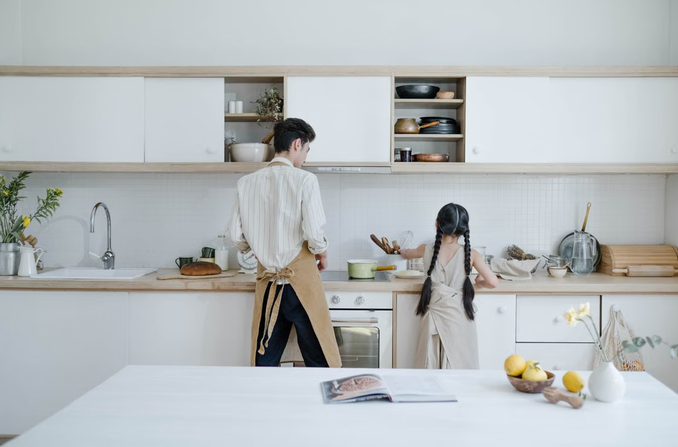
The traditional children’s room with only a bed, wardrobe, and toy storage is becoming less common. Families are now thinking about how children actually use their spaces throughout the day. A child’s area may include places for creativity, reading, learning, and relaxation. By considering different activities, parents can create rooms that feel more useful and personal rather than spaces that only meet one short-term need.
Adaptable Rooms Help Families Avoid Constant Changes
Children grow quickly, and their interests can change just as fast. A room designed around one specific age group may not remain practical for very long. Adaptable interiors allow families to make smaller adjustments instead of completely redesigning a space. Features such as movable furniture, adjustable storage, and flexible layouts help rooms transition from play areas into study spaces or personal retreats as children become older.
Creative Areas Encourage Exploration and Learning
Homes are increasingly including areas that support creativity and curiosity. Children benefit from having spaces where they can draw, build, read, experiment, and develop new interests. These areas do not need to be large or separate rooms. A well-organized corner with suitable furniture and storage can provide a dedicated place for creative activities while keeping the rest of the home organized.
Study Spaces Are Becoming Part of Family Home Design
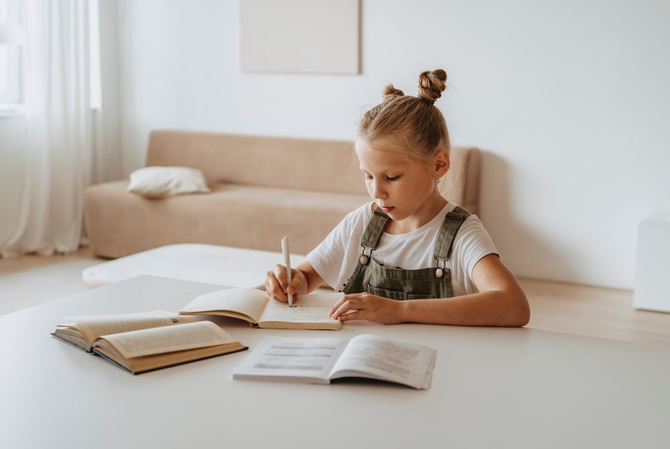
As education becomes more connected to home life, having a comfortable place for schoolwork is becoming more important. Children need environments where they can concentrate and build good learning habits. A practical study area with proper lighting, comfortable seating, and organized storage can make everyday tasks easier. These spaces can also evolve, moving from simple craft areas for younger children into more advanced workstations for older students.
Privacy Becomes Essential During Later Childhood
Young children often enjoy being close to their families, but older children usually begin to value having their own personal space. Home design is starting to recognize this natural transition. Teenagers may need areas where they can study, relax, pursue hobbies, or simply enjoy quiet time. Creating flexible private spaces allows homes to support children as they become more independent.
Furniture Choices Can Help Rooms Grow Over Time
Furniture has a major impact on how long a room remains useful. Instead of choosing pieces that only suit one stage of childhood, many families are selecting options that can adapt. Adjustable desks, modular storage, and versatile furniture can help a room change without requiring major renovations. These choices make homes more practical while supporting children through different phases of growth.
Children’s changing needs are influencing the way families think about home design. Spaces are becoming more adaptable, creative, and supportive of different stages of childhood. By designing homes with growth in mind, families can create environments that remain comfortable and useful for years to come…