Tag: Repair

The Risks of DIY Glass Repairs: Why Professionals Are the Better Choice

The Risks of DIY Glass Repairs: Why Professionals Are the Better Choice

When a crack appears in your glass, the first instinct might be to tackle it yourself. After all, how hard can it be? But before you grab that toolkit and dive into DIY repairs, it’s crucial to pause and consider the potential risks lurking beneath the surface. Your glass staircase, partitions, or windows are essential to the structure and safety of your home.

While saving money is always tempting, cutting corners on glass repair can lead to significant safety hazards and costly mistakes down the road. Let’s take a moment to explore why opting for professional help may just be your best bet for a safe, effective solution. You’ll be glad you did!

Safety Hazards

Attempting DIY glass repairs can pose serious safety risks. Glass shards are sharp and unpredictable, making even the smallest repair a potential hazard. One wrong move could lead to cuts or injuries. Moreover, working with adhesives and sealants without proper training can expose you to harmful chemicals. Improper ventilation while using these products increases the risk of inhalation and allergic reactions. Without adequate knowledge, it’s easy to underestimate the pressure that glass is under in windows or windshields. A poorly executed fix might not hold up against temperature changes or impact, ultimately leading to sudden breakage at an unexpected moment.

Improper Installation

Improper installation of glass can lead to a host of problems. Many DIY enthusiasts underestimate the complexity involved in securing glass panels correctly. A small miscalculation during placement can compromise structural integrity. When windows or mirrors aren’t installed properly, they may not seal well. This opens up opportunities for drafts and water leaks, resulting in costly repairs down the line. Additionally, improperly fitted glass is at higher risk for shattering. It’s also crucial to consider that specialized tools are often needed for precise measurements and cuts. Without access to these instruments, achieving a professional finish becomes nearly impossible.

Voiding Warranties

When you choose to tackle glass repairs on your own, there’s more at stake than just time and effort. One major risk is the potential voiding of warranties associated with your vehicle or property. Many manufacturers provide warranties that require professional service for any repair work. If a DIY attempt goes awry, it could lead to costly consequences. Imagine needing a warranty claim after an accident, only to find out that your ill-fated glass repair has voided it. The financial burden can be significant if you’re left footing the bill for damages or replacements. Moreover, some insurance policies also stipulate that only certified professionals should handle specific repairs.

Professional Expertise: Ensuring a Perfect, Long-Lasting Fix

That being said, experience truly matters when handling this problem. Professionals have the training and skills to assess damage accurately. They know what to look for, ensuring no detail is overlooked. Using the right tools and techniques is essential in this line of work. Experts come equipped with specialized equipment that enhances precision during repairs. This ensures a clean finish without compromising safety. Additionally, professionals stay updated on industry standards and best practices. Their knowledge allows them to select the most suitable materials for each job, further increasing durability. With their expertise, you can trust that your repair will not only look good but also stand the test of time. Choosing professionals over DIY may involve spending more initially, but it’s an investment in peace of mind and long-lasting quality fixes. Don’t take unnecessary risks with something as crucial as glass integrity; relying on experts is often the wisest choice.…
Helpful Tips to Troubleshoot Your Water Heater

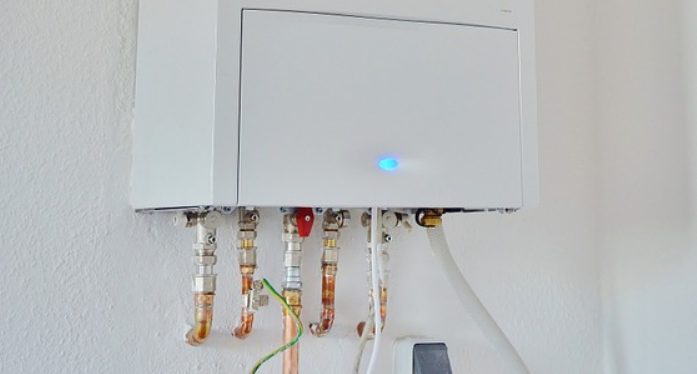
A water heater is such a vital unit for every home during winter. But sometimes it can be broken or have some issues. You can read more to learn about the common issues in a water heater. So, it would be best if you did some troubleshooting on your water heater. The water heater I am referring to in this article is for the 30-gallon electric water heater, but the same principles described below apply to a 60 or 90-gallon water heater. The unit runs on 240 volts and includes only two heating elements and two thermostats.

Water Heater Repair Tips

Again, be sure to turn off the power to the water heater until you remove the thermostat access panels. Finally, I’ll go over some simple issues for broken electric water heaters: not gasoline, not tankless, but electric. If you need advice on the other types, I’m sure you can find an article anywhere, but I’ll cover everything you need to know about electric water heaters for today.

Check the Issue

The first thing you need to do is make sure what issue your water heater is currently having. There are four common types of issues that can happen to your water heater. The first one is the glitch heating system. It occurs when you neglect yearly maintenance for your water heater. The next one is the faulty dip tube. Finally, it occurs when cold water is escaping out into the hot water outlet before it’s had the time to heat up.

The next issue that we can check is the sediment buildup. It occurs when too many minerals and small debris are built up in the water tank. This can hinder the efficacy of heating up the water. The final issue that can occur to your water heater is the anode rod corrosion. It occurs when hot water coming from your tank is a red or rust color. If this issue is neglected, this could lead to serious tank erosion, tank leaks or even a burst tank.

Replace Your Water Heater Hose

Before you go looking to replace a water heater pipe, that means you have some general knowledge of plumbing. If you don’t follow the right steps, you can flood your home in a matter of minutes. So, the first thing to do before you start unplugging is to turn off the water going into the heater. Once it’s turned off, do a test run by opening a few faucets with hot water to ensure no water is coming out. Now you can start replacing the part.

Sometimes pipes are connected by welding. If this is the case, you will need to cut the pipe and then remove the nozzle. If you don’t have experience welding aluminum pipes, don’t try it, leave it to the experts. Once you have connected the pipe, you can reopen the water inlet valve (hot side) on the heater, just make sure you have a tap valve open somewhere in the house to reduce the strain.

Check the Heating Elements and Thermostat

While several articles on the internet explain strategies for evaluating heaters, I’ve only read one or two that say exactly how to do it right – many others suck. Before you start loosening input panels and the like, check the switch box and make sure no switches have tripped. If the breaker is excellent, we can move on to the next step. If you are not getting the full 240 volts, then there is a problem with the breaker, and you may need to replace it.

If you have no electrical experience, don’t worry, it’s too dangerous, get a professional or someone with experience to help you. Well, if you have 240 volts to the water heater, then we’re good, so let’s evaluate the heating elements and thermostat. Now you’ve disconnected the power, so plug in the new one the same way the old one was connected and adjust the temperatures accordingly.

Replace the Broken Water Heater Element

Once you’ve done that, you should have tested the component as described in the previous paragraph. You can also check to see if it has drained completely by opening some hot water valves in the house. You can do all of this, or you can listen to me and save yourself an hour and skip the drain: get some towels and put them around the water heater. When you pull out the component, some water will appear, but it’s not pressurized, so in case you change components quickly, almost no water can fall on the floor or carpet (which is exactly what the towels are for, about enough to use up the little bit of water that will appear).…